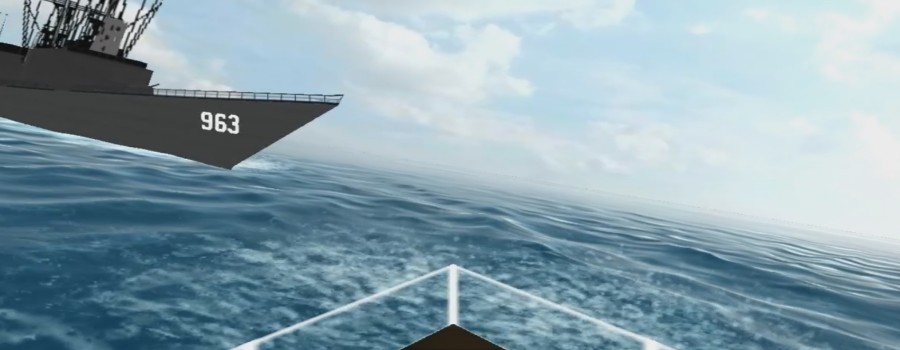
Key Maritime Use CasesNaval Warfare & Combat Modeling: Simulates surface-to-surface or air-to-sea engagements. vsTASKER handles sensor logic and weapons (e.g., torpedoes, guns), while Triton ensures the missiles or shells strike with physically accurate wave interactions and splash effects.Turnkey Training Simulators: Because vsTASKER natively generates C++ code, the entire simulation can be deployed into lighter 3D visualization viewers (such as vsVIEWER) to act as a low-cost, ready-to-deploy trainer with joysticks or control inputs.Search and Rescue (SAR): Models how objects (like life rafts or debris) drift under specific wave and wind conditions provided by Triton.Autonomous Surface Vehicles (ASVs): Tests collision avoidance algorithms, utilizing vsTASKER's behavioral tree scripts while Triton subjects the virtual vessel to varying sea states and visibility challenges.Benefits of the IntegrationRapid Prototyping: Developers can script entire maritime scenarios and link them with Triton in a matter of hours.Cost Efficiency: Provides a robust, low-cost training and development platform compared to large, proprietary full-mission bridge simulators.Open Architecture: Unlike rigid Commercial Off-The-Shelf (COTS) products, vsTASKER is completely open. Users can program exact tactical behaviors, ship dynamics, and custom rules of engagement.